5 Things I Wish I Knew Before Buying a Home in Edmonton

5 Things I Wish I Knew Before Buying a Home in Edmonton
I work with a lot of buyers in Edmonton, and a significant portion of them are coming from out of province. Ontario, BC, New Brunswick. What I find is that the same things come up again and again: not because buyers are making bad decisions, but because nobody told them. This post is the written version of a video I just released. If you are planning to buy in Edmonton, these five things will save you time, money, or both.
- Do not start viewing properties until your pre-approval is in hand and you are genuinely ready to write an offer. Edmonton's detached market moves within days on well-priced listings
- Narrow your showings to 6 to 8 properties over a 2-day window rather than 15 to 20 over two weeks. The market will not hold your favourites while you finish the tour
- Your initial deposit ($5,000 to $10,000) must be liquid cash, not in investments. FHSA funds process at possession, not at offer. Home inspection adds another $500 to $650 (RECA Home Buyer's Guide, 2026)
- First-time buyers purchasing a new build now have access to a full GST rebate on properties up to $1 million, covering up to $50,000 in tax savings for qualifying agreements signed from March 2025 onward (Government of Canada, 2026)
The 5 Things
Don't start viewing until you're genuinely ready to buy
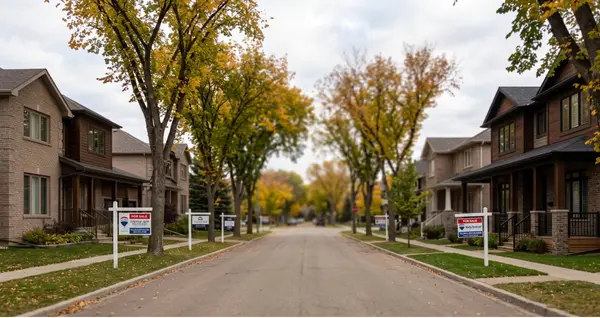
This feels counterintuitive. You want to understand the market before committing to anything. But Edmonton's detached market in the price ranges most relocating buyers are looking at moves quickly. Properties in good condition in good locations receive multiple offers within days. If you can't write an offer when you walk out of a showing, you're mostly just getting attached to homes you can't have yet.
The better approach: get set up on an MLS auto-search. Most realtors in Edmonton will set this up for you at no cost. Spend a few weeks just watching the feed before booking a single showing. You'll develop a real sense of how fast things move at your price point and in your target areas. Then, when your pre-approval is in hand and you're ready to move, you already understand the pace. You're not learning the market and trying to make decisions at the same time.
Narrow your list before you start viewing
A lot of buyers build a list of 15 to 20 properties across several neighbourhoods. The logic is reasonable: see as much as possible, make an informed decision. The problem is the market doesn't wait for you to finish the tour.
My approach: build the full list, then narrow it to what you can realistically view over two days, typically six to eight properties depending on location. Pick your best options from that full list. View them over that two-day window. Make decisions from that set. When you book ten showings spread over a week and a half, the properties you were most excited about on days one and two are often pending by the time you reach showing eight. The goal is not to see everything. It's to find the right home efficiently.
Your deposit needs to be liquid cash — and so does your inspection budget
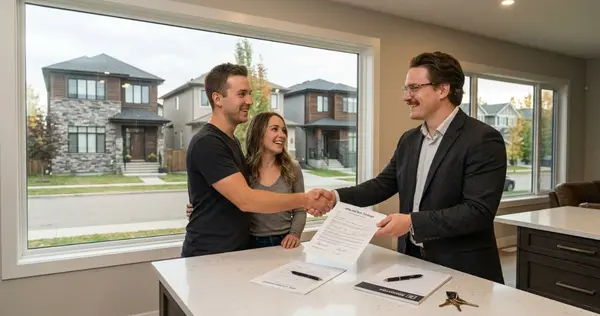
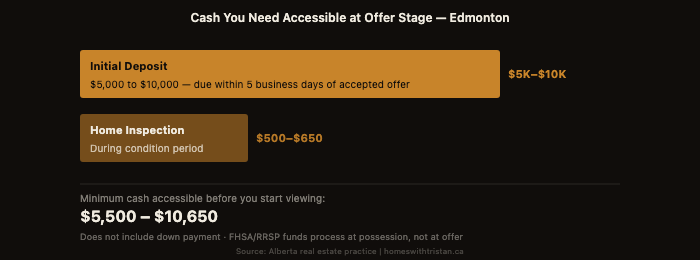
When your offer is accepted in Alberta, you'll submit your initial deposit within the first five business days. That's typically $5,000 to $10,000 depending on the purchase price, and it needs to be cash that's accessible right now. Not in investments. Not tied up in an RRSP or FHSA. Liquid.
This is where the FHSA sequencing catches first-time buyers. The First Home Savings Account is a genuinely useful tool: tax-free contributions, tax-free growth, and tax-free withdrawals with no minimum holding period once you have a signed purchase agreement (Canada Revenue Agency, 2024). But the practical issue is timing. The initial deposit is due within five business days. The FHSA withdrawal process requires documentation that takes a few days to process. In practice, most buyers cover the deposit from their own accessible cash, then use FHSA funds as part of the full down payment closer to possession. Talk to your mortgage broker before you start looking so the sequencing is mapped out for your situation.
Also budget separately for a home inspection: $500 to $650 in Edmonton. I consider it essential. If you factor it into your deposit budget rather than setting it aside separately, you'll be caught short at the worst possible time.
New builds: the GST rebate is real, but understand what you're buying
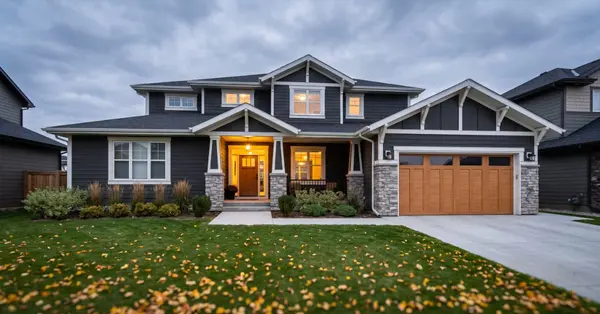
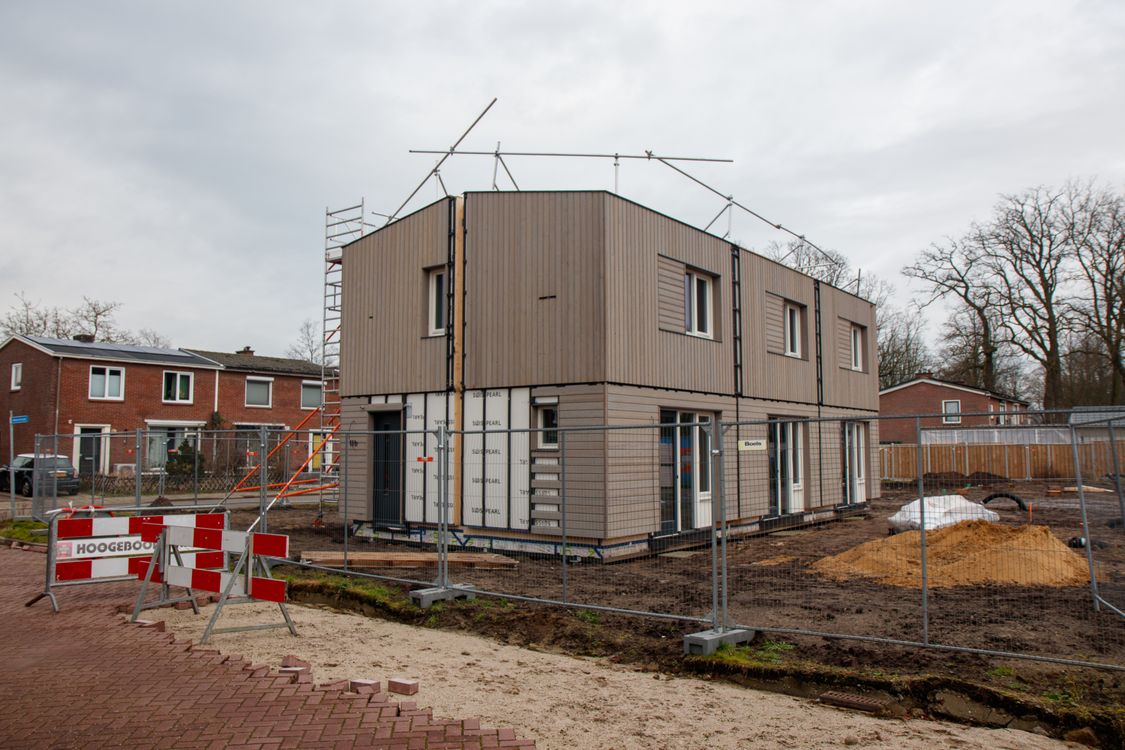
If you're a first-time buyer considering a new build, the GST picture changed significantly in 2025. The federal First-Time Home Buyers' GST Rebate now eliminates the full 5% GST on qualifying new builds up to $1 million, with a maximum rebate of $50,000. It applies to purchase agreements signed on or after March 20, 2025 and before 2031 (Government of Canada, 2026). If you're buying a $700,000 new build as a first-time buyer, that's $35,000 back. That's a real number worth knowing about.
The thing to understand alongside the rebate is the appreciation timeline in new communities. When you buy in a development that broke ground in the last year or two, the amenities are not established yet. The grocery store is on its way. The school might still be under construction. The coffee shop is in the developer's brochure. You're buying into what the neighbourhood will become, not what it already is.
The resale question matters too. If you buy today and want to sell in three years, your competition will be brand new builds. If you haven't made meaningful improvements, you're selling a slightly used product against new ones at a comparable price. If you're buying a new build because you plan to stay long-term, or because the GST saving is significant for your situation, those are legitimate reasons. Go in with realistic expectations for the first few years of appreciation.
Out-of-province specifics: energy market and Edmonton's geography
Two things that specifically surprise buyers coming from Ontario or BC. Alberta has a deregulated energy market, which means you'll be choosing between private electricity and natural gas providers with their own rate structures and contract terms. This isn't complicated once you're settled, but it's one more thing to sort out during a move that already has a lot of moving parts. My advice: sign a short-term plan first, get settled, then take the time to compare providers. Don't try to optimize this on moving day.
The second thing is Edmonton's geography. The city is massive physically. A 30-minute drive here covers ground that would take much less time in a more compact city. Out-of-province buyers used to long commutes in dense cities find that in Edmonton, the challenge isn't congestion. It's distance. This changes how you should think about where you want to live relative to work, schools, and where you spend your time. Factor your daily route into neighbourhood selection before you start viewing, not after.
What to Watch in the Video
The video goes deeper on each of these five points with specific examples from actual buyer situations. If you're starting to research buying in Edmonton, it's worth watching alongside using this post as a reference for the numbers and process details. The link is at youtube.com/@TristanBoireRealEstate.
Ready to map out what buying in Edmonton actually looks like for you?
I'll walk through your budget, your timeline, and what the search realistically looks like at your price point. Takes 15 minutes.
Book a 15-Minute CallFrequently Asked Questions
How much cash do I need accessible before I start viewing in Edmonton?
At minimum, $5,500 to $10,650 in liquid cash: the initial deposit ($5,000 to $10,000, due within 5 business days of an accepted offer) plus a home inspection ($500 to $650). Your down payment, FHSA, and RRSP Home Buyers' Plan funds process closer to possession and don't need to be liquid at offer stage.
Can I use my FHSA for the initial deposit in Alberta?
Not directly. FHSA withdrawals require a signed purchase agreement plus several days of processing. By the time that window closes, the initial deposit deadline has often already passed. In practice, most first-time buyers cover the deposit from accessible chequing savings, then use FHSA funds as part of the full down payment at possession. Confirm the sequencing with your mortgage broker before you start your search.
Does the new First-Time Home Buyers' GST Rebate apply to all new builds in Edmonton?
It applies to qualifying first-time buyers purchasing newly constructed homes priced up to $1 million, for purchase agreements signed on or after March 20, 2025 and before 2031. For homes between $1 million and $1.5 million, the rebate phases out. Homes above $1.5 million are not eligible. This is a different program from the older GST/HST New Housing Rebate, which had lower thresholds and applied to all buyers (Government of Canada, 2026).
How fast does the Edmonton market move at the $500K-$700K price point?
Well-priced, well-presented detached homes in that range regularly receive multiple offers within the first 7 to 10 days of listing, and many receive offers within the first weekend. The condition period is typically 7 to 10 business days once an offer is accepted. Going in without a pre-approval when that kind of timeline is in play creates real risk of losing a property you want.
What are the biggest differences between buying in Alberta vs Ontario?
Three major ones: Alberta has no provincial land transfer tax (Ontario has both provincial and, in Toronto, municipal LTT totalling up to $16,000+ on a $600K purchase). Alberta has a deregulated energy market, which requires choosing private utility providers. And Alberta's property tax structure is set by municipality, not province, so the comparison to Ontario rates varies by specific location. Full breakdown is in the Edmonton closing costs guide.
The buying process in Edmonton is genuinely manageable once you understand the sequencing. Most of the surprises I see aren't about the market being difficult. They're about buyers not having this information before they start. If you want to work through your specific situation, I'm easy to reach.
Categories
Recent Posts