Moving to Edmonton? 5 Things You Need to Know | Homes with Tristan

Moving to Edmonton? 5 Things You Need to Know Before You Arrive
Edmonton doesn’t always get the credit it deserves. Most people moving here from Ontario or BC arrive expecting a cold industrial city and leave surprised by how much it has going for it: genuinely affordable housing, a strong job market, no provincial sales tax, and a quality of life that’s hard to match at the price point.
I’ve helped a lot of people make this move, and there are five things that come up every single time. Here’s what you actually need to know before you arrive.
5 Must-Know Tips for Moving to Edmonton — the full video breakdown of everything in this article.
- Edmonton detached homes averaged $590,162 in March 2026, compared to over $1M in Toronto and $1.5M in Vancouver, for equivalent square footage (REALTORS Association of Edmonton, 2026)
- Alberta has no provincial sales tax and no provincial land transfer tax, two major cost advantages over Ontario and BC
- Spring is the most competitive time to buy in Edmonton, with March 2026 sales up 33.1% from February as the market activates
- Edmonton’s River Valley is the largest urban park system in North America at over 7,400 hectares, with 160km of connected trails
1. The Housing Market Is Genuinely Affordable
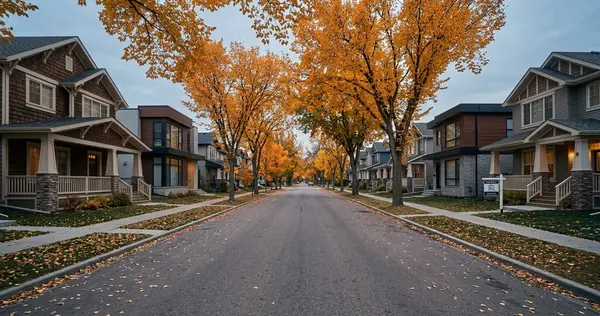
Edmonton detached homes averaged $590,162 in March 2026, up 2.5% from a year earlier (REALTORS Association of Edmonton, 2026). That same month, the average detached home in Toronto was over $1.4 million. In Vancouver, it was closer to $2 million. For what you spend on a condo in downtown Toronto, you’re buying a four-bedroom detached home in a good Edmonton neighbourhood with a garage and a yard.
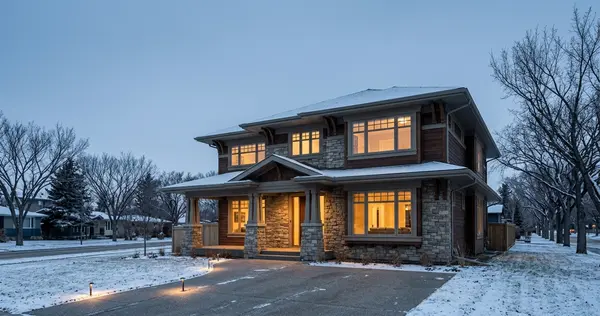
I work with a lot of buyers relocating from Ontario and BC, and the reaction is almost always the same when they start actually looking at listings: genuine disbelief at the space-to-price ratio. A $650,000 budget in Edmonton gets you a newer detached home in a family neighbourhood with finished square footage that would cost well over a million anywhere on the west coast.
In terms of where to land, here’s how I’d orient you based on what most relocating buyers are looking for:
| Area | Who It’s For | Price Range (detached) |
|---|---|---|
| Windermere | Families, newer builds, southwest access | $600K–$1.6M+ |
| Terwillegar | Families, established, great trails | $550K–$750K |
| Keswick | New builds, River Valley access, growing area | $650K–$800K |
| Sherwood Park | Suburban feel, strong schools, quieter pace | $400K–$750K |
| St. Albert | Community feel, green spaces, top-rated schools | $400K–$4M+ |
| Glenora / Crestwood | Mature west-end, luxury, close to downtown | $1.7M–$2.15M+ |
Spring is the busiest time to buy here. If you’re planning a summer move and want to close before school starts in September, you need to be searching by March at the latest. Homes in desirable price ranges move quickly once the spring market activates, and waiting until May puts you behind most of the competition.

2. The Weather Is Extreme, and That’s Not a Deal-Breaker
Edmonton winters are real. Temperatures regularly drop below –20°C in January and February, and it can stay cold from November through March. This is not the weather of Vancouver or even Calgary. Anyone who tells you Edmonton winters are “not that bad” is either from somewhere colder or has learned to dress properly.
That said, a few things make it more manageable than most outsiders expect. Edmonton gets more sunshine than almost any other major Canadian city, even in winter. You’re not dealing with the grey, wet cold of the coast. It’s cold and bright, which is a very different experience. The other thing is that Edmonton winters are genuinely beautiful if you engage with them rather than just endure them. Skating on the river valley pathways, skiing at Rabbit Hill or Sunridge, snowshoeing, hockey outdoors. These are things people actually do here.
Practically, you need a remote car starter. This is non-negotiable. Plug-in block heaters are standard on most Alberta vehicles for a reason, and most parking lots have outlets. Budget for quality winter tires, because all-seasons are not adequate in Edmonton conditions. And invest in proper insulated outerwear before your first winter, not halfway through it.
The other three seasons make up for it. Edmonton summers are genuinely excellent: long days, warm temperatures that stay mostly in the 20s, low humidity, and a full festival calendar that runs from June through September. The shoulder seasons are short but beautiful.
3. The Cost of Living Advantage Is Larger Than Most People Realize
Most people moving from Ontario focus on housing costs when they think about the financial advantage of Edmonton. That’s the most visible difference, but it’s not the only one. Alberta has no provincial sales tax. Every purchase you make, from groceries to electronics to home goods, costs 5% less than in Ontario or BC where combined sales tax runs 12–15%. Over a year of normal household spending, that adds up to thousands of dollars.
There’s also no provincial land transfer tax in Alberta. In Ontario, buying a $600,000 home triggers approximately $8,475 in provincial land transfer tax before you even factor in Toronto’s additional municipal tax. In Edmonton, that cost is zero. The money you keep stays in your pocket or goes toward your mortgage.
A realistic cost comparison for a family moving from Toronto to Edmonton typically shows $1,500 to $2,500 per month in total savings once you account for lower housing costs, no PST, lower car insurance rates, and the removal of the land transfer tax from their purchase. That’s real money, and it compounds over time.
4. The Job Market Is Broader Than Oil and Gas
Alberta’s economy is historically tied to energy, and Edmonton is no different. Oil and gas remains significant, and the industry pays well for skilled trades, engineers, and project managers. But if you’re moving here and your career isn’t in energy, the market is more diverse than its reputation suggests.
Healthcare is one of the largest employers in the city. The University of Alberta Hospital is one of Canada’s major academic health centres, and AHS (Alberta Health Services) is one of the largest employers in the province. The University of Alberta itself is a significant employer for academics and researchers, consistently ranking among Canada’s top research universities.
Edmonton’s tech sector has grown considerably in the last several years. Companies across software development, AI research, and cleantech have established operations here, and the University of Alberta’s AI research program is world-class. For professionals in tech, the combination of a competitive salary and Edmonton’s lower cost of living creates genuinely strong financial conditions compared to working in Vancouver or Toronto.

5. The Lifestyle Is Bigger Than Most People Expect
Edmonton gets written off as a cold prairie city, and then people move here and realise it has a genuine cultural life. The River Valley is the largest urban park system in North America, over 7,400 hectares and 160km of connected trails. You can run, bike, ski, and skate on the same infrastructure depending on the season. Most major cities in Canada would be envious of it.
The festival calendar is legitimately impressive. The Edmonton International Fringe Festival is the second-largest fringe festival in the world. Heritage Days, the Folk Music Festival, and K-Days draw hundreds of thousands of people each summer. The culinary scene has improved significantly in the last decade, with a range of dining from neighbourhood spots in Old Strathcona to higher-end restaurants in the west end.
For hockey fans: Rogers Place is one of the best arenas in the NHL, and Oilers games are a genuine Edmonton experience worth doing at least once. The city takes its hockey seriously.
The thing I tell most people moving here from out of province is this: Edmonton rewards engagement. If you show up expecting to be underwhelmed and stay inside all winter, that’s what you’ll get. If you get into the River Valley, find the neighbourhood that fits your pace, and connect with the city’s actual community, you’ll understand quickly why people who move here tend to stay.
I work with relocating buyers from across Canada. Let’s talk about where you should land, what your budget gets you, and how to navigate a purchase from out of province.
Talk to TristanFrequently Asked Questions
Is Edmonton a good place to live?
For most people moving from Ontario or BC, Edmonton represents a significant quality-of-life upgrade in terms of space, affordability, and financial breathing room. The housing-to-income ratio is better than any other major Canadian city. The trade-off is cold winters and fewer direct international flight options. Most people who move here and engage with the city end up staying.
How cold does Edmonton actually get?
January averages around –11°C but regularly dips below –20°C during cold snaps. The coldest days of a typical winter will hit –30°C or lower with wind chill. November through February are the genuinely cold months. March starts warming, April is unpredictable, and by May it’s reliably mild. Proper winter gear makes a significant difference in how you experience it.
Can I buy a home in Edmonton before moving there?
Yes, and many out-of-province buyers do. I do video walkthroughs with all remote clients so you can see exactly what you’re evaluating. Offer signing is done digitally via DocuSign, so nothing requires you to be physically present until possession day. If you want to visit in person before committing, I’d suggest timing a trip around your serious shortlist rather than early browsing.
Do I need to transfer my driver’s licence when I move to Edmonton?
Yes. Alberta requires you to obtain an Alberta driver’s licence within 90 days of establishing residency. Ontario driving history transfers directly, so no additional testing is required for most provinces. You’ll also need to register your vehicle in Alberta, and if it’s coming from out of province, an out-of-province vehicle inspection is required before registration.
Edmonton is genuinely one of the better cities in Canada to build a life in right now, especially if you’re coming from a market where housing costs have squeezed out any meaningful financial progress. The combination of affordable real estate, no PST, strong employment across multiple sectors, and an underrated lifestyle makes it worth a serious look. If you’re in the research phase and want to talk through what the move actually looks like, reach out.
Categories
Recent Posts