The Verification System Behind a Fast-Moving Story

Homes with Tristan: Behind the Brand
The Three-Checkpoint System I Use Before I Publish on a Story That's Still Moving
By Tristan Boire, REALTOR | Park Realty, Sherwood Park AB

On October 8, Alberta's government ordered Edmonton to tear up its own zoning bylaw. I started researching a video on it the same week. By the time I actually sat down to write the script eleven days later, three of my opening facts had already changed, and I hadn't even started filming yet.
That's the problem with covering a political story on a real estate channel. A market update is built on numbers that don't move once you've pulled them. A council fight is still being decided while you're filming the intro. I've written before about how I fact-check a script before I shoot it. This is a different post. This is about what I actually do when the story itself hasn't finished happening yet, and how I decide, line by line, what's safe to say is true and what still needs a flag on it.
Key Takeaways
- Every claim in a fast-moving script gets tagged with when it was verified, not just where it came from. A source without a timestamp is useless on a story that updates daily.
- I re-verify tagged claims twice: once right before I film, and again right before the video or blog post actually publishes. One check is not enough when 10 to 14 days can pass between writing and release.
- The test for what counts as settled fact: did it already happen and get recorded somewhere, or is it something a person said they intend to do? Edmonton's October 16 council meeting happening is a fact. The mayor's threatened court challenge is not, until it's filed.
- This matters more on a political story than a market update, because a wrong number reads as a typo. A wrong political claim reads as picking a side, and that's the one thing I can't afford on this channel.
Why a Political Story Gets Treated Differently Than a Market Update
A market update video is built on data that's already locked by the time I touch it. The Bank of Canada's rate decision, the Realtors Association of Edmonton's benchmark price, last month's days-on-market figure, none of those numbers change after the fact. I can pull them on a Monday and film on a Thursday and nothing has moved. The risk on that kind of video is a math error or a stale number. It is never that the underlying fact itself is still being decided while I'm filming it.
A story like Edmonton's zoning reversal is the opposite. The province ordered the city on October 8 to revert its density, height, housing type, and parking rules back to where they were before 2020, giving council three months to amend the bylaw and eighteen months to finish a full review. That order was final the day it was announced. Almost nothing after it has been.
A 2026 Reuters Institute report found 68% of people now expect news updates within minutes of a major event, up from 45% in 2020 (Reuters Institute for the Study of Journalism, 2026). That expectation doesn't pause for a brokerage's content calendar, and it's exactly why a script written on a Monday can't just coast to a Friday filming date untouched.
I'm not a journalist and I don't pretend my channel covers city hall the way a newsroom does. But I am putting my name on claims about a live political fight, on a channel where buyers and other agents both watch to see whether I know what I'm talking about. That's a different bar than "did I get the mortgage math right."

How I Tag a Claim the Moment I Write It
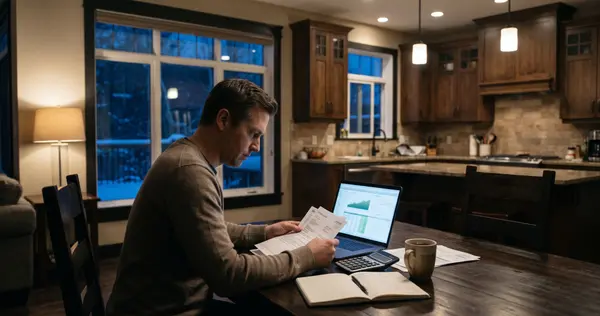
Here's the part that's actually a workflow and not just a mindset. Every time I write a sentence in a script that depends on a fact outside my own knowledge, I tag it in the document right there, inline, before I move to the next sentence. I don't trust myself to go back and remember which lines need a second look. If it's not tagged the moment it's written, it doesn't get checked again.
On the infill script, that meant lines like "no court challenge has been filed yet" got a tag that said exactly that: time-sensitive, re-check right before filming. It's not enough to just mark something as "needs a source." A source tells you where a fact came from. It doesn't tell you whether the fact is still the fact.
Poynter's Verification Handbook, a reference journalists have used since 2014 and continued to update for newer forms of misinformation, argues reporters should specify what could change and when rather than relying on hedge words like "reportedly" (Poynter Institute). A vague qualifier doesn't tell a viewer anything useful. A timestamp and a named condition for re-checking does.
That's the distinction I try to hold myself to. "This could change" is true of almost everything in this story, so it's not useful on its own. What's useful is naming the specific thing that would make it change, and when I'm going to look again.
The Two Re-Checks: Before I Film, and Before I Publish
One pass isn't enough. I re-verify every tagged line twice, on two separate calendar dates, because two separate things change between them: the news, and the gap between when I wrote the script and when the finished video actually reaches a viewer.
The first re-check happens right before I film, usually a day or two out. For the infill video, I locked the script on October 19. Between when I started drafting and that date, Edmonton held a special council meeting on October 16 specifically about the order. That single meeting changed several of my tagged lines. Council asked the province to put its directive in writing, because up to that point city administration had only verbal guidance to work from on what the province actually expected. The mayor said publicly that the order put councillors in a legal bind, since they're required to hold a public hearing with an open mind while effectively being told how to vote. Administration separately estimated the rollback would cost the city somewhere between $5 million and $10 million and would delay unrelated work, including a planned urban tree protection bylaw.

City administration's cost estimate of $5 million to $10 million to rewrite Edmonton's zoning bylaw, along with delays to a planned urban tree protection bylaw, came out of the city's own October 16 special council meeting, not from the province's original October 8 announcement (CTV News, 2026). That's a fact that only existed because I re-checked after a specific, dated event.
That's the first re-check doing its job. The second one happens right before publishing, and it exists for a different reason. This blog is going live on November 6, almost three weeks after I filmed. The mayor had said he was working on a potential motion to seek a court ruling on the order. As of the morning I'm writing this paragraph, that motion still hadn't turned into an actual filed court challenge. By the time you're reading this, it might have. I'm not going to pretend I know that answer today. I'll check again the morning this publishes, the same way I checked the morning I filmed, and I'll update this paragraph if it's changed. That's not a disclaimer. That's the actual process.
What Counts as Settled, and What Gets a Caveat
I needed a simple test, because "this could still change" describes nearly every sentence in this story and that's not a useful filter on its own. The test I actually use is: did this already happen and get recorded somewhere, or is this something a person said they intend to do?
- Settled, state it plainly. The province issued the order on October 8. That happened. Edmonton held a special council meeting on October 16. That happened. Neither of those facts gets softer language, because neither one can un-happen.
- Intended, flag it every time. The mayor threatening a court challenge is an intention, not an event. Right up until something is actually filed with a court, I say "the mayor has said he's considering" and nothing stronger, no matter how confident the headlines sound.
- Verbal-only, say so out loud. City administration's early guidance on what the province expected was described, in council's own words, as not yet in writing. If my source for a claim is a verbal account rather than a document, I say that explicitly on camera instead of presenting it with the same weight as a signed order.
I didn't pick that rule because it's clever. I picked it because it's fast enough to actually apply under a filming deadline, and specific enough that I can't talk myself into skipping it when I'm tired and just want the script done.
Why This Costs More Effort Than It Looks Like It Should
A wrong number in a market update video reads as a typo. Someone comments, I fix the on-screen caption, we move on. A wrong claim in a political story doesn't read as a mistake. It reads as a position. If I say the court challenge has already been filed and it hasn't, I look like I'm either careless or exaggerating the city's resistance. If I say it's been ruled out and it gets filed the next week, I look like I'm downplaying it. Either direction of error looks like I picked a team, even when the actual cause was just a stale script.
I wrote a separate post a few weeks ago about scripting a controversial topic without picking a side, and that post was really about tone and framing choices inside a single draft. This one is about something upstream of tone entirely: the operational discipline of re-checking facts across the whole production window, not the writing choices inside one sitting. You can write the most balanced script in the world and still be wrong three weeks later if nobody goes back and checks it again.
The honest cost is time. Tagging claims while writing is nearly free. The two re-checks are not. Pulling up council minutes, searching for whether a motion turned into a filing, confirming a number is still the number, that's real hours on top of an already full production schedule. I do it anyway, because the alternative is publishing something that's wrong in a way that follows my name around for other agents watching how I handle this stuff, and for buyers deciding whether they trust me on anything else.
Follow Along
I Post the Breakdown, Not Just the Take
If you're an agent trying to figure out how to cover local news without torching your credibility, subscribe to the channel. I show the process, not just the finished video.
Subscribe on YouTubeFrequently Asked Questions
How do you decide if a claim is safe to state as settled fact?
I ask whether the thing already happened and got recorded somewhere, or whether it's something a person said they intend to do. Alberta's October 8 order and Edmonton's October 16 special council meeting both happened and are safe to state plainly. A threatened court challenge is an intention until it's actually filed.
Does re-checking facts twice actually slow down your filming schedule?
Yes. Tagging claims while writing costs almost no extra time. The two re-checks, one before filming and one before publishing, add real hours on top of a full production week, mostly spent confirming whether a specific motion, filing, or number has moved since the last check.
What happens if a fact changes after the video is already live?
I pin a comment on the video noting what's changed and update the companion blog post's text directly, rather than leaving a stale claim up and hoping nobody notices. On a story like this one, that's less a rare exception and more something I expect to happen at least once.
Why cover a political zoning fight on a real estate channel at all?
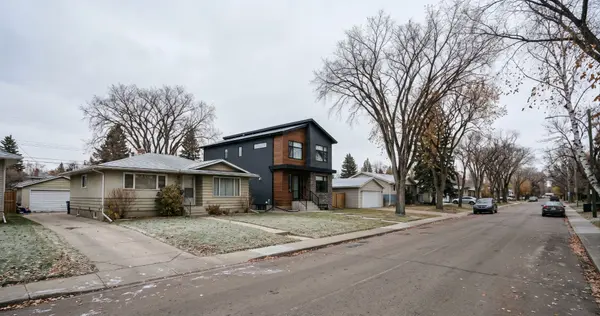
Because it directly affects what gets built and where, which is the business I'm in. Alberta's order forces Edmonton to revert density, height, and parking rules within three months and complete an eighteen-month review, and that changes what infill buyers and sellers can expect on a lot next door.
None of this makes me a journalist, and I'm not trying to be one. But if I'm going to put my name on a video about a political fight that's still unfolding, the least I owe anyone watching is a process for catching what's changed between the day I wrote it and the day they see it. That's the whole system. Tag it when you write it, check it before you film it, check it again before it goes out the door.
Categories
Recent Posts