What Happened When I Retired My Own YouTube Narrative

Homes with Tristan: Behind the Brand
What Happened When I Publicly Retired a Narrative I'd Repeated for Two Years
By Tristan Boire, REALTOR | Park Realty, Sherwood Park AB

Three weeks ago I sat down to film and the first line out of my mouth was: I want to retire a narrative I've been part of repeating. That's not a comfortable sentence to say into your own camera. Most content, mine included, treats whatever worked last year as true forever. I'd built close to two years of videos on one story about Alberta migration. By October, the data underneath that story had moved, and I had to say so on camera, in front of the same audience I'd told the old version to.
This isn't a post about the fact-checking mechanics. I wrote about that process separately. This is about the part that's harder to systemize: the actual decision to say, on record, that a narrative you profited from needs updating, and what happens after you hit publish. If you make content for a living, you'll eventually hit this same moment. Here's what mine looked like.
Key Takeaways
- 79% of consumers say authentic information, even when it includes flaws or negatives, builds more trust than polished positivity alone (BBB Programs, 2025 Influencer Trust Index).
- The narrative I retired was the backbone of a video I published in June 2026, and it had been driving real inbound leads for most of the year since.
- Retiring it meant admitting Alberta's migration surge was partly a national volume effect, not purely something the province, or my content, could take credit for.
- [INSERT: real day-7 YouTube Studio metrics for the Oct 23, 2026 video once available, including views, CTR, AVD, comment sentiment, subscriber delta, and any attributable leads]
The Story I'd Been Telling for Two Years
In June 2026 I published a video called "Edmonton Just Became Canada's #1 City for Movers, Here's Why." I built a decent chunk of my content calendar around that same frame for most of the two years before it: Alberta's affordable, Ontario and BC are leaving in record numbers, come on out. It wasn't a lie. For a while it was genuinely the strongest, most specific hook I had.

Relocation content is the highest-converting lead source I have. It's not close. So every few months I'd go back to that well, same story, fresh numbers, because it worked and because, as far as I could tell, it was still true. Nobody builds a content calendar around a narrative expecting to have to walk it back eighteen months later. I didn't either.
What the Data Actually Showed By October
Canada's 2026 to 2028 Immigration Levels Plan cuts temporary resident targets 43%, from 673,650 down to 385,000, and Alberta's own Q1 2026 interprovincial arrivals fell 8.4% year over year as a direct downstream result (Immigration, Refugees and Citizenship Canada, Dec. 2025; Statistics Canada, Q1 2026 estimates). That's not a rounding error. That's the single number that forced the whole script to change.
Here's the part that actually stung a little. My old framing implied the surge was mostly about Alberta's appeal, the kind of thing I could reasonably take some credit for pointing people toward. The real mechanism is closer to plumbing. Fewer total people in the country means fewer people available to move between provinces at all. Interprovincial migration doesn't happen in a vacuum. It happens on top of however many people are actually here to begin with, and that number just got cut hard, for reasons that have nothing to do with Alberta.
Canada's temporary resident target fell 43% for 2026, from 673,650 to 385,000, while permanent resident admissions held nearly flat at 380,000 a year through 2028 (IRCC, Dec. 2025). A migration story built partly on provincial appeal was, at least in part, actually a national volume story all along.
The Two Mistakes I Almost Let Slide

I'd been quoting an Alberta migration record figure of 55,107 people, sourced from a secondary write-up months ago. When I went back to trace it to a primary Statistics Canada release this time, it didn't hold up. I swapped it for a number I could actually verify: Alberta's real 2024 record, a net interprovincial gain of just over 36,000 people, the largest of any province that year. Smaller number. True number. That matters more than which one sounds more impressive on camera.
The second one was worse, because it wasn't a stale stat, it was a claim about intent. I'd been saying housing affordability was the federal government's stated reason for the immigration cuts. When I read the primary IRCC levels plan document instead of the secondary commentary repeating it, that direct causal claim didn't hold up as cleanly as I'd been saying it. I softened the line from "the government said" to "the government and outside analysts have tied these cuts, at least in part, to housing pressure." One clause. It's the difference between a claim I can defend and one that collapses the moment someone asks me to point to where the government actually said it.
My Toronto and Vancouver price comparisons were stale too, nearly a year old by the time I caught them. Those got replaced with real September 2026 figures before anything went to script. None of these three were catastrophic on their own. Stacked together, they would have made the whole video wrong in the specific way that erodes trust slowly instead of all at once.
Why I Said It Anyway
I could have just quietly updated the numbers and kept the same confident framing. Nobody would have called it out directly. But 79% of consumers say they trust authentic information more when it includes flaws or negatives, not less, and lose trust specifically when a source refuses to acknowledge anything it got wrong (BBB Programs, 2025 Influencer Trust Index). Quietly patching the numbers while keeping the old story intact is exactly the move that costs you the most if anyone ever notices.
There was also a selfish, practical reason. Anyone who searches current migration numbers themselves will find the same discrepancy I did. Better that they hear it from me, with the context of why it changed, than stumble on it cold and wonder what else in my back catalog hasn't been revisited. The correction isn't a liability on the channel. Left undone, it would have been.
What Happened When the Video Went Live
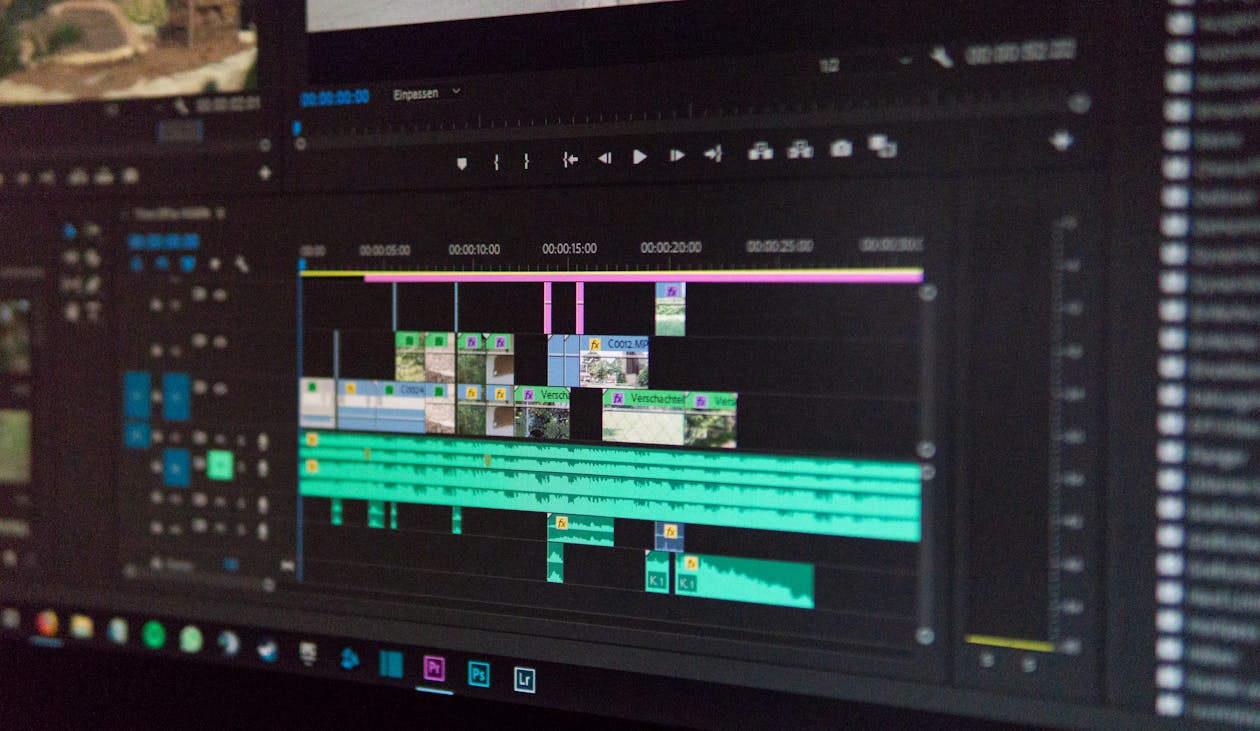
[INSERT: real day-7 performance data for "Is Moving to Edmonton Still Worth It in 2026?" published Oct 23, 2026, including views, CTR, average view duration, and whether comments engaged with the narrative reversal specifically versus the migration data generally]. [INSERT: subscriber change and any direct DMs or leads traceable to this video, with honest framing either way, matching the pattern used on the Sept 2026 off-topic-video post rather than inventing a result that didn't happen].
Whatever those numbers end up being, the full breakdown of the data itself, Toronto and Vancouver prices included, lives in the companion post I wrote the same week. That one's written for anyone actually weighing the move. This one's written for the person wondering whether admitting you were wrong on your own channel is worth the risk. My answer, going in, was yes. I'll update this section once I have the real numbers to back that up instead of just my gut.
What This Means If You Create Content For a Living
Most agents never revisit their evergreen content once it's live. Market update videos age out naturally since they're time-stamped, but narrative content, the "here's why this city/strategy/trend works" videos, just sits there collecting views on an assumption that might quietly stop being true. Nobody's watch history flags that for you. You have to go looking.
Build a standing habit of re-checking your highest-performing narrative videos against current primary sources, not just whenever a new video happens to touch the same topic. If the underlying claim has moved, you have two choices: quietly stop making that video, or address it directly on camera and let the correction itself become content. I'd rather be the agent whose audience sees me catch my own mistake than the one whose audience catches it first.
Watch the Full Breakdown
See the Actual Video This Post Is About
New real estate videos every Friday, built the same way this one was: fact-checked against primary sources before a single word gets filmed.
Subscribe on YouTubeFrequently Asked Questions
Why would a real estate agent publicly contradict their own earlier video?
Because the underlying data changed. 79% of consumers say authentic information builds more trust than polished positivity, even when it includes a correction (BBB Programs, 2025 Influencer Trust Index). Leaving an outdated claim live and unaddressed costs more credibility long-term than correcting it directly.
Does publicly correcting yourself hurt an older video's performance?
Not inherently. The correction can live as its own piece of content, like this post, without removing or disavowing the original video. The original still reflects what was accurate at the time it was published.
How do you know when a narrative needs retiring versus just updating the numbers?
If the mechanism behind the story has changed, not just the figures, it needs a real retirement, not a patch. Here, the mechanism shifted from provincial appeal to a national immigration policy effect, so swapping in fresh numbers alone would have kept telling the wrong story more convincingly.
What's the actual risk of being wrong in public as a content creator?
The bigger risk is usually being quietly wrong, not loudly corrected. 44% of shoppers say they lose trust specifically when a creator refuses to mention flaws (BBB Programs, 2025 Influencer Trust Index), which suggests silence costs more than an honest correction does.
How often should agents re-check claims in their evergreen content?
Treat your highest-performing narrative videos the same way you'd treat a market update: revisit them against primary sources at least every few months, not just when a new script happens to touch the same topic by coincidence.
The flood of movers story isn't dead. It's just smaller than it was, and for different reasons than most people assume, mine included. If you want the full data breakdown behind this, it's in the companion post. If you just want to see more of how these get built before they go to camera, the channel's the place for that.
Categories
Recent Posts