How to Winterize Your Home: The New Homeowner Checklist
Homes with Tristan: Tips & Tricks to Home Ownership
How to Winterize Your Home: The Checklist New Homeowners Actually Need Before Winter Hits
By Tristan Boire, REALTOR | Park Realty, Sherwood Park AB
Severe weather caused more than $2.4 billion in insured losses across Canada in 2025, the tenth costliest year on record (Insurance Bureau of Canada, 2026). A good chunk of that comes from frozen pipes, ice damming, and furnaces that quit at the worst possible time, and most of it is preventable with a few hours of work before the first real cold snap.
If this is your first winter in your own place, nobody hands you a manual. So here is the checklist I actually walk clients through once they close, in the order that matters, with real costs attached so you know what you are working with.
Key Takeaways
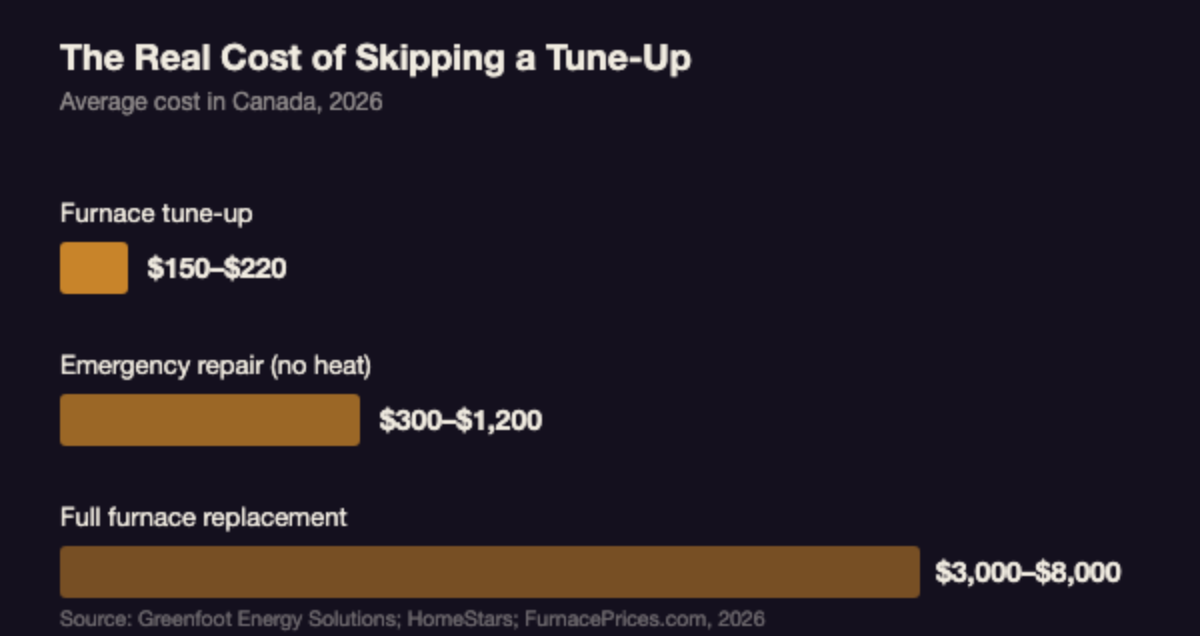
- A furnace tune-up runs $150 to $220. Skipping it can turn into a $300 to $1,200 emergency repair, or a $3,000 to $8,000 replacement if the unit fails outright (Greenfoot Energy Solutions; FurnacePrices.com, 2026).
- Basements account for about 20% of a home's total heat loss, roughly the same share as exterior walls (Natural Resources Canada).
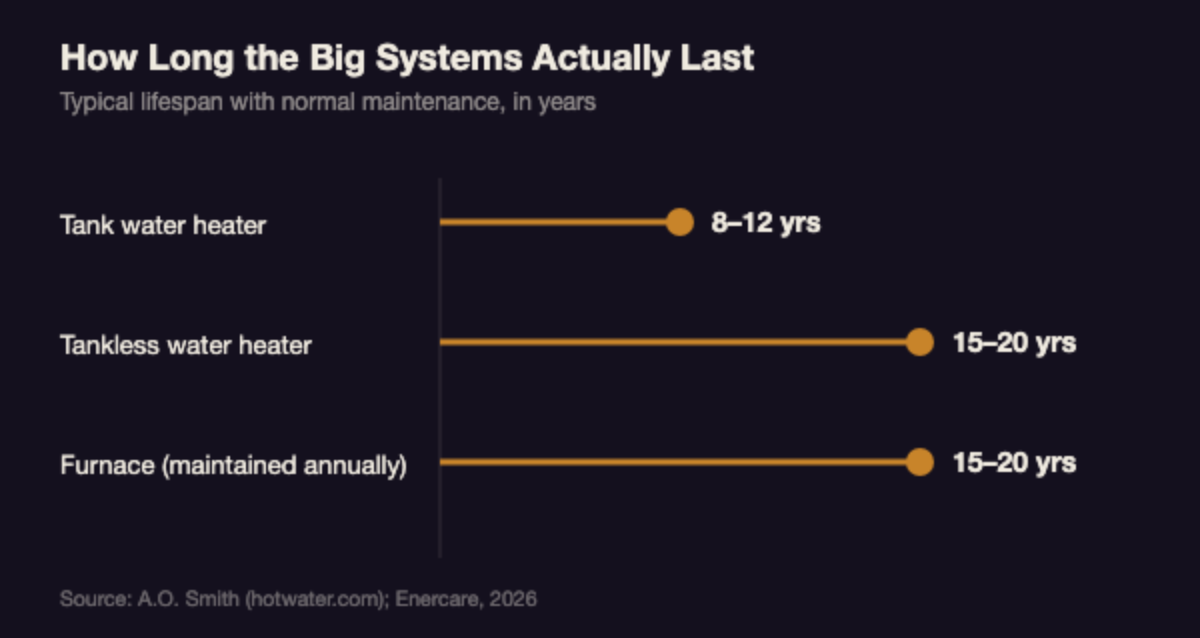
- Tank water heaters typically last 8 to 12 years; tankless units last 15 to 20 (A.O. Smith).
- A sump pump test takes two minutes and isn't in most winterizing checklists, but it's one of the cheapest ways to avoid a basement flood.
- Edmonton's average October low sits around 0.7degC, so frost is already a normal part of the month, not a fluke (Environment Canada climate normals).
Why Winterizing Actually Matters, Not Just a Nice-to-Have
Insured losses from severe weather in Canada totaled $37 billion between 2016 and 2025, nearly triple the $14 billion recorded in the prior decade (Insurance Bureau of Canada, 2026). Winter is a major driver of that trend, and frozen pipes are near the top of the list because water expands by about 9% when it freezes, which is more than enough to split a copper or PEX line from the inside (Westland Insurance).
None of this is really about the cold itself. It's about what the cold does to a system nobody looked at since spring. A pipe that's insulated and a faucet that's shut off doesn't care how cold it gets outside. One that isn't can turn a Tuesday into a very expensive Wednesday.
A typical water damage claim in Canada runs well into the tens of thousands of dollars once flooring, drywall, and remediation are factored in, and insurers have started raising deductibles specifically for water-related losses. Prevention is almost always cheaper than the claim.
Edmonton's October climate normals put the average high around 8.5degC and the average low around 0.7degC, which means overnight frost is a routine feature of the month, not an early warning sign (Environment Canada climate normals). If you haven't touched any of this yet, the calendar isn't giving you much runway.
Test Your Sump Pump Before You Test Your Luck
Pour a bucket of water into the sump pit and confirm the pump kicks on and drains it within a minute or two. If it doesn't fire, or it fires but doesn't clear the pit, you want to know that in October, not during spring melt when every plumber in the city is already booked solid.
Basements account for about 20% of a home's total heat loss, roughly the same share as exterior walls (Natural Resources Canada). That's already a cold, damp part of the house by design, which is exactly why a dead sump pump does so much damage before anyone notices. Most finished basements have thousands of dollars of flooring and drywall sitting a few inches above a pit nobody has looked at since the home inspection.
What I've noticed: sump pump testing is the one item that gets skipped across almost every winterizing checklist I've seen online, and it's the item I bring up most with new homeowners walking through their first fall. It costs nothing and takes less time than reading this paragraph.
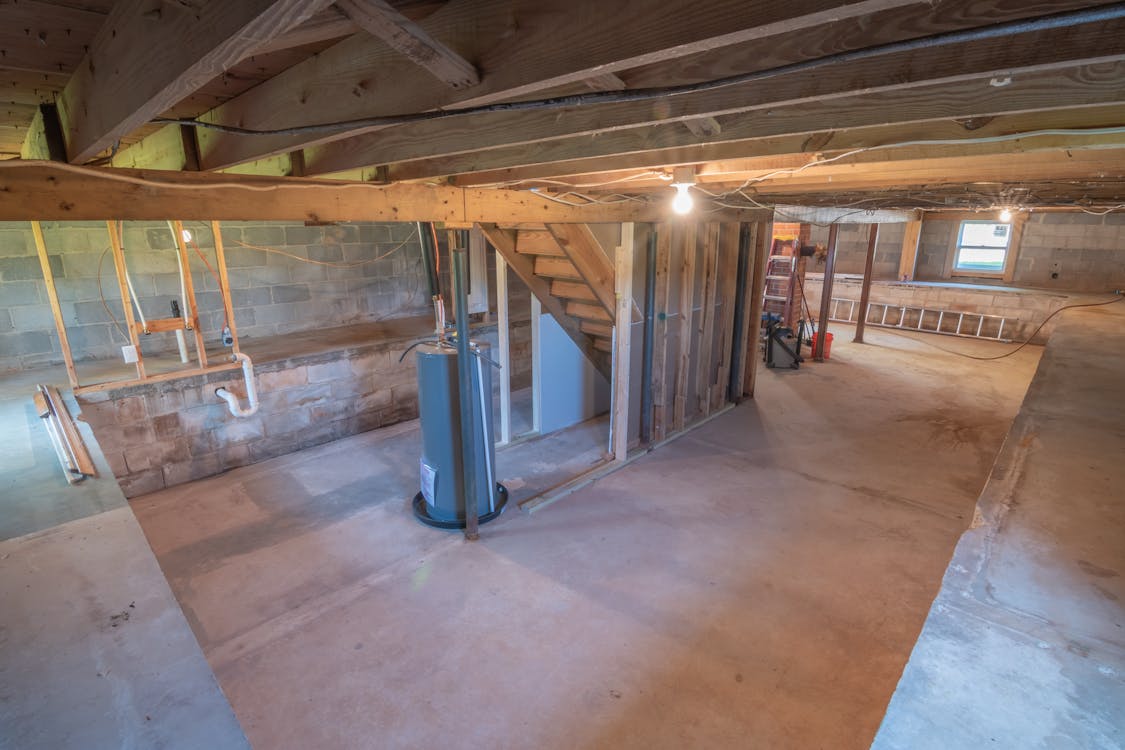
While you're down there, check the battery backup if your pump has one. A power outage during a storm is exactly when you need the pump most, and it's also exactly when the primary power supply is most likely to fail.
Get Your Furnace Looked at Before the First Cold Snap
A professional furnace tune-up costs $150 to $220 per visit in Canada (Greenfoot Energy Solutions, 2026). A technician cleans the burners, checks the heat exchanger for cracks, and confirms the ignition system is working before you're relying on it every day for the next six months.
Skip it, and you're gambling on an emergency repair instead. Those run $300 to $1,200 depending on the part, and emergency after-hours rates typically add another 20% to 50% on top of that. A full replacement, if it comes to that, runs $3,000 to $8,000 installed (FurnacePrices.com, 2026). The gap between "book a tune-up in October" and "call an emergency line in January" is enormous, and it's entirely avoidable.
While you're at it, swap the furnace filter if you haven't in the last three months. It's a five-dollar part that keeps the whole system running efficiently through the season, and it's the one maintenance item that's genuinely on the homeowner rather than a technician.
Repair or Replace? How to Actually Decide on the Furnace and Water Heater
If a repair quote exceeds 50% of the cost of a brand new unit, replacement is almost always the better investment (Rheem). That rule applies just as cleanly to furnaces as it does to water heaters, and it saves you from the trap of sinking a few hundred dollars into a system every year for three years straight before finally admitting it needed to go.
Age matters as much as the dollar figure. Tank water heaters typically last 8 to 12 years, while tankless units last 15 to 20 with proper maintenance (A.O. Smith). Furnaces that receive annual servicing tend to last 15 to 20 years, sometimes longer for high-efficiency models. If your unit is already past that window and something just failed, that's usually your answer before you even call for a quote.
Where this shows up for buyers and sellers: an aging furnace or water heater is one of the first things that turns into a negotiating point once a home inspection report lands, even when the unit is still technically running. I've sat on both sides of that conversation, and it's almost always cheaper to replace on your own timeline than under deal pressure with a closing date bearing down.
Seal the Drafts, Shut Off the Hose Bibs, Clean the Gutters
Exterior walls account for about 20% of a home's total heat loss (Natural Resources Canada), and a surprising amount of that leaks out through gaps around windows and doors that take twenty minutes to fix. Run a hand around every window frame and exterior door on a windy day. If you feel a draft, a tube of caulking or a roll of weatherstripping solves it for under thirty dollars.
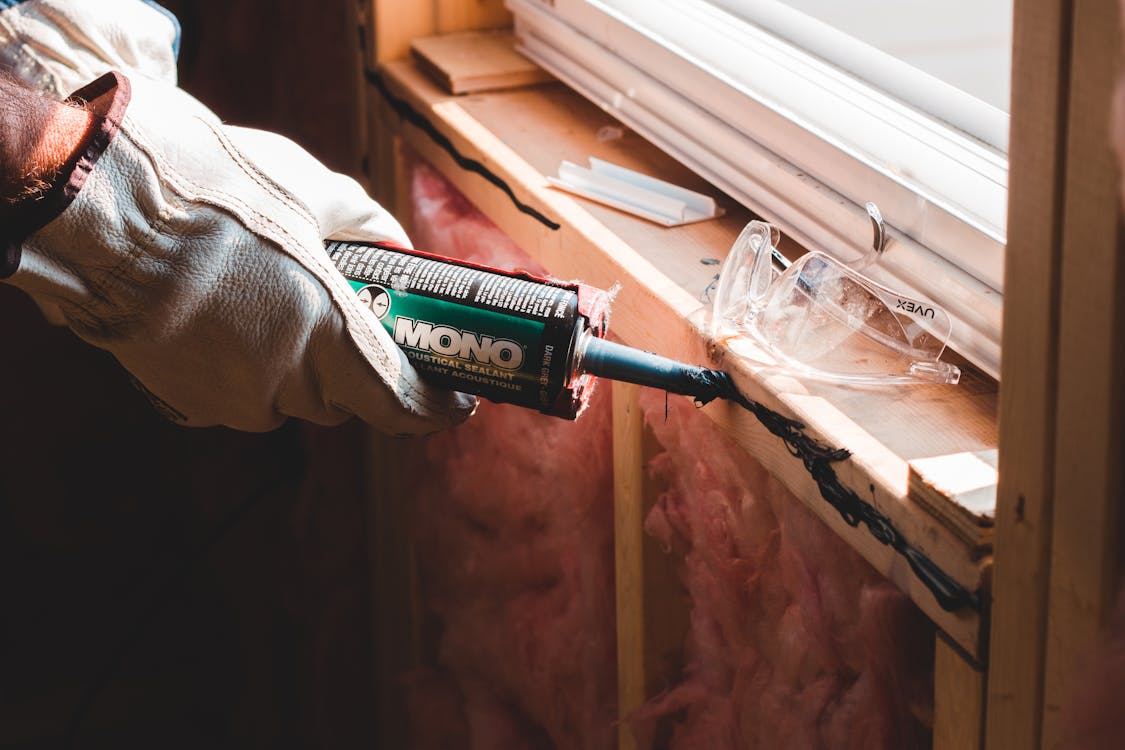
A few more that take an afternoon combined:
- Disconnect and drain garden hoses, then shut off the interior valve for any exterior faucet. A hose left connected traps water in the line and is one of the most common causes of a split outdoor tap.
- Clean the eavestroughs once the trees are mostly bare. Clogged gutters trap water that refreezes and expands, which is how ice dams and roof leaks start.
- Insulate exposed pipes in the garage, crawl space, or any unheated interior wall. Foam pipe sleeves cost a few dollars per section and take minutes to install.
- Test smoke and carbon monoxide detectors and swap the batteries. Furnaces run harder and longer starting now, and a cracked heat exchanger is a real, if rare, risk.
Curious what to vet before you hire anyone for the bigger items on this list? I put together a full breakdown of how to find a good contractor in Edmonton without getting burned on quotes or workmanship.
The Order to Actually Do This In
Most winterizing guides hand you a list and let you figure out the sequence. In practice, the order matters, because a few of these items get harder or more expensive to book the later you leave them.
| Weekend | Tasks | Why this order |
|---|---|---|
| 1 | Book the furnace tune-up, test the sump pump | HVAC companies book up fast once temperatures drop |
| 2 | Disconnect hoses, shut off exterior faucets, insulate exposed pipes | Needs to happen before the first hard freeze, not after |
| 3 | Clean eavestroughs once trees are mostly bare | Doing it too early just means redoing it in three weeks |
| 4 | Caulk drafts, test detectors, replace furnace filter | Lowest urgency, but cheapest and fastest to knock out |
Do it in that order and you've covered the expensive risks first, the seasonal window second, and the cheap easy stuff last, which is the opposite of how most people naturally approach it.
Bought This Year?
Find Out What Your Home Is Actually Worth Right Now
Whether you're settling in or already thinking about the next move, it's worth knowing where you stand. Get a free, no-obligation home valuation.
Get My Home ValueFrequently Asked Questions
When should I start winterizing my home?
Early to mid-fall, before temperatures regularly drop below freezing. In Edmonton, that means starting in September or early October, since the average October low is already around 0.7degC (Environment Canada climate normals).
How much does it cost to winterize a home?
The core items run well under $500 total: a furnace tune-up at $150 to $220, plus caulking, pipe insulation, and hose bib shutoffs at under $50 combined (Greenfoot Energy Solutions, 2026). That's a fraction of a single emergency repair.
How do I know if I should repair or replace my furnace?
If a repair quote exceeds 50% of the cost of a new furnace, replacement is usually the better financial call, especially if the unit is already 15 years or older (Rheem). Younger units with isolated part failures are almost always worth repairing instead.
Do I really need to test my sump pump every year?
Yes. It takes about two minutes and it's the difference between finding out a pump has failed in October, when you can still get someone out to fix it, versus finding out during spring melt when basements across the city are flooding at once.
What happens if I skip winterizing altogether?
You're rolling the dice on a frozen or burst pipe, a furnace failure mid-winter, or an ice dam that damages your roof and ceiling. Water expands about 9% when it freezes, which is enough force to split a pipe from the inside (Westland Insurance), and Canadian water damage claims routinely run into the tens of thousands of dollars.
None of this is complicated. It's a furnace check, a sump pump test, some caulking, and a couple of shutoff valves, spread across a few weekends before the ground freezes for good. The homeowners who skip it aren't lazy, they just don't know it matters until the year it does.
If you're weighing a bigger move this fall, whether that's your first purchase or figuring out what a place should actually cost you month to month once you own it, my Buyer's Resource Guide is a good next stop, and my rundown of what to expect on possession day in Alberta covers the steps that come right before this checklist starts.
Categories
Recent Posts