How I Structure a Neighbourhood Video for Real Estate YouTube (And Why It Converts)
Homes with Tristan: Behind the Brand
How I Structure a Neighbourhood Video (And Why It Outperforms Everything Else)
By Tristan Boire, REALTOR | Park Realty, Sherwood Park AB | July 10, 2026
I’ve posted a lot of different video types on my channel. Market updates. Buyer guides. City comparisons. Reaction content. “Five things” lists. One of those formats has a viral ceiling of 70K views and consistently turns into conversations. Another generates less than 2,000 views and converts into clients at a rate nothing else touches.
The second one is the neighbourhood video. And I want to show you exactly how I build them.
This week I dropped a Windermere neighbourhood guide. I’m writing this the Friday after it went live. Here’s the structure I used, why I use it, and what it’s designed to do.
Key Takeaways
- →Neighbourhood videos attract buyers who are already in active search mode. 10 minutes of watch time on a specific neighbourhood is not passive entertainment.
- →The 6-part structure (price hook, what’s here, daily life, schools, commute, verdict) answers the exact questions buyers ask before booking a showing
- →Title formula: [Neighbourhood] [City]: What $[Price] Gets You. Triggers search intent. Tells viewers the video answers the question they already have.
Why do neighbourhood videos convert better than viral content?
My most-viewed video has 64,000+ views. It attracts people at the top of the funnel: curious, researching, maybe vaguely interested in Edmonton. That awareness is valuable. Some of those viewers eventually become buyers.
But a neighbourhood video attracts someone who has already decided they might move to Edmonton and is now asking a more specific question: where in Edmonton? That’s a different buyer. They’re not browsing. They’re shopping.
Here’s the signal I watch: average view duration on neighbourhood videos runs longer than almost any other format I post. Someone who sticks around for 8 or 10 minutes on a neighbourhood guide has self-qualified. You don’t spend that kind of time on content you’re not actually considering acting on. The depth of engagement is a proxy for purchase intent that no algorithm tells you about directly. You just have to recognize it.
Neighbourhood guide videos sit at the bottom of the real estate YouTube funnel. Views are modest. Average view durations run high. The viewer has already decided on a city and is now asking where specifically to buy. That buyer is 60 to 90 days from an offer. No other YouTube format reaches them at this stage as effectively.
The exact 6-part structure I use
Every neighbourhood video I make follows the same skeleton. The specific details change; the structure doesn’t. Here it is:
The verdict section has had a bigger impact on lead quality than anything else in the structure. Buyers who reach out after watching a neighbourhood video where I gave an honest verdict already know whether the neighbourhood is right for them. The DMs are shorter. The calls convert faster. Because the video already did the prequalifying.
The title formula that drives search traffic
Neighbourhood videos are not viral content. They don’t travel through suggested feeds the way a “5 shocking facts” video does. They get found through search. That means the title has to match what someone actually types into YouTube.
What does someone type when they’re buying a house in a specific neighbourhood? Usually one of these:
- •“Windermere Edmonton neighbourhood”
- •“Windermere Edmonton 2026”
- •“living in Windermere Edmonton”
- •“Windermere Edmonton homes prices”
My title formula combines the neighbourhood name, the city, and a price anchor: [Neighbourhood] [City]: What $[Price] Gets You ([Year]). The price in the title does something important. It tells the viewer whether this video is in their range before they click. People scrolling search results self-select based on price. You want them to self-select correctly.
Neighbourhood videos live or die in YouTube search, not suggested. The title has to contain the exact phrase the buyer types. Including a price point in the title triggers pre-qualification before the click: buyers in range click through; buyers out of range don’t. This keeps your viewer-to-lead conversion rate high even when total views stay low.
What the thumbnail needs to do
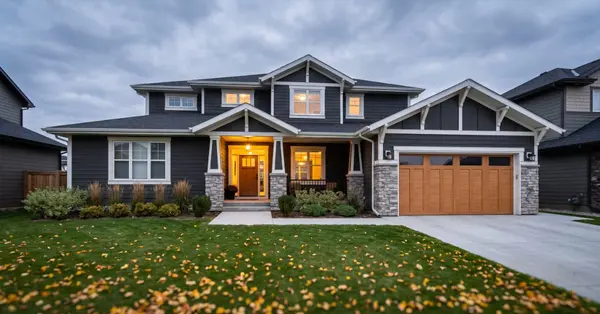
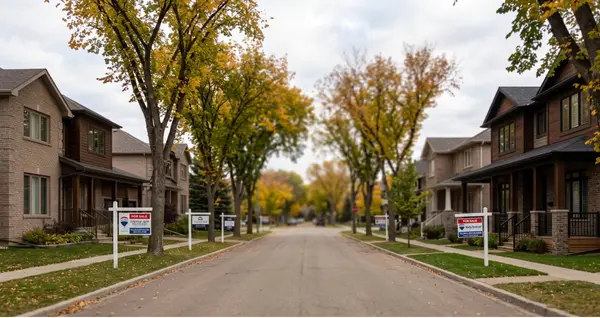
Neighbourhood thumbnails are simpler than viral thumbnails. You don’t need an exaggerated facial expression. You need one thing: a clear, recognizable image of the area. An exterior shot of a home in the neighbourhood. A landmark. A street view.
I keep the text overlay minimal: neighbourhood name in large type, price in a contrasting colour. The goal is instant recognition. Someone searching “Windermere Edmonton” and seeing a thumbnail with a Windermere home and “Windermere” in the title knows immediately this video answers their question.
Face-in-thumbnail is optional for neighbourhood content. I include it because it builds familiarity over time and helps viewers recognize me across multiple neighbourhood videos. But the house is the anchor. The face is secondary.
I’ve tested face-vs-no-face across a few neighbourhood videos. There’s no meaningful CTR difference in this format. The home exterior and the price number do the heavy lifting. The face helps return viewers recognize me faster, but it’s not the decision-maker on a first click.
Who watches a neighbourhood video and what do they do next?
Three types of viewers find neighbourhood content. Each one is worth understanding.
The active relocator. This is your buyer. They’ve already decided they might move to your city. Now they’re narrowing. They’ve been watching listings for two months. They searched the neighbourhood name, found your video, watched most of it, and are now going to look you up. These leads close. They already know where they want to be. They just need an agent who knows the area.
The local buyer upgrading. Already in your city. Looking to move up or change areas. Windermere is on their radar. They watch your video to validate what they think they know. If you show them something they didn’t, they remember you. These leads move slower but convert cleanly.
The curious non-buyer. They’re never going to buy from you. That’s fine. Don’t build your strategy around them. The structure I described above filters them out naturally because 10 minutes of specific neighbourhood detail only keeps someone watching if they have a genuine reason to care.
Neighbourhood videos serve three viewer types: active relocators (high close rate, already committed to the city), local upgraders (slower timeline, clean conversion), and curious non-buyers (naturally filtered by the depth of the content). Building the 6-part structure for the first two types means the third self-selects out through attrition before the video ends.
The one thing that makes neighbourhood videos hard
You actually have to know the neighbourhood. Not from Googling it. Not from pulling stats from a website. You have to have been there. Shown homes there. Talked to clients who live there.
The viewer can tell the difference. The specific details are what make the video worth watching: the name of the golf course, the actual commute times, the honest assessment of transit, the school catchment boundaries. Vague content gets abandoned. Specific content keeps viewers watching and builds trust.
This is why neighbourhood videos scale for agents who are embedded in a market and don’t scale for agents who are trying to cover ground they don’t actually know. The format requires you to earn it first. The payoff is that it’s also very hard to copy, because nobody can fake your local knowledge.
Watch the Example
See the Windermere Video This Post Is Based On
The full 6-part structure in action. Subscribe to follow how the analytics develop over the coming weeks.
Subscribe on YouTubeFrequently Asked Questions
How long should a neighbourhood video be?
8 to 12 minutes. Long enough to cover all six sections with substance; short enough that active buyers stay through the end. Under 7 minutes and you sacrifice the depth that separates you from a 60-second listing video. Over 14 minutes and you’re padding.
Do I need to film on location in the neighbourhood?
B-roll from the neighbourhood is useful but not required for every section. I film the talking-head segments in studio and use location footage for establishing shots and the daily life section. The information is what keeps viewers watching, not the production quality of the walk-and-talk.
How many neighbourhoods should I cover to see results?
Start with four to six neighbourhoods where you actually work and where your target buyer is shopping. A small library of quality neighbourhood videos in one market area will outperform a scattered approach across 20 communities. Depth in your core area compounds faster than breadth.
Should I include a CTA to book a call in the neighbourhood video?
Yes, once, at the end, softly. Something like: “If Windermere looks like the right fit and you want to see what’s actually available, link in description.” Don’t interrupt the content with pitches. The video earns the CTA by delivering real value first.
When do neighbourhood videos start generating leads?
Search-driven content takes 60 to 90 days to index and rank in YouTube search. Don’t judge a neighbourhood video by its first-week numbers. The view count in week one is almost irrelevant. What matters is organic search performance at months two, three, and six. That’s when the leads start compounding.
Categories
Recent Posts