Real Estate Agent License Ladder: Why Rural Came Before Commercial
Homes with Tristan: Behind the Brand
The Real Estate Agent License Ladder: Why Rural Came Before Commercial
By Tristan Boire, REALTOR | Park Realty, Sherwood Park AB
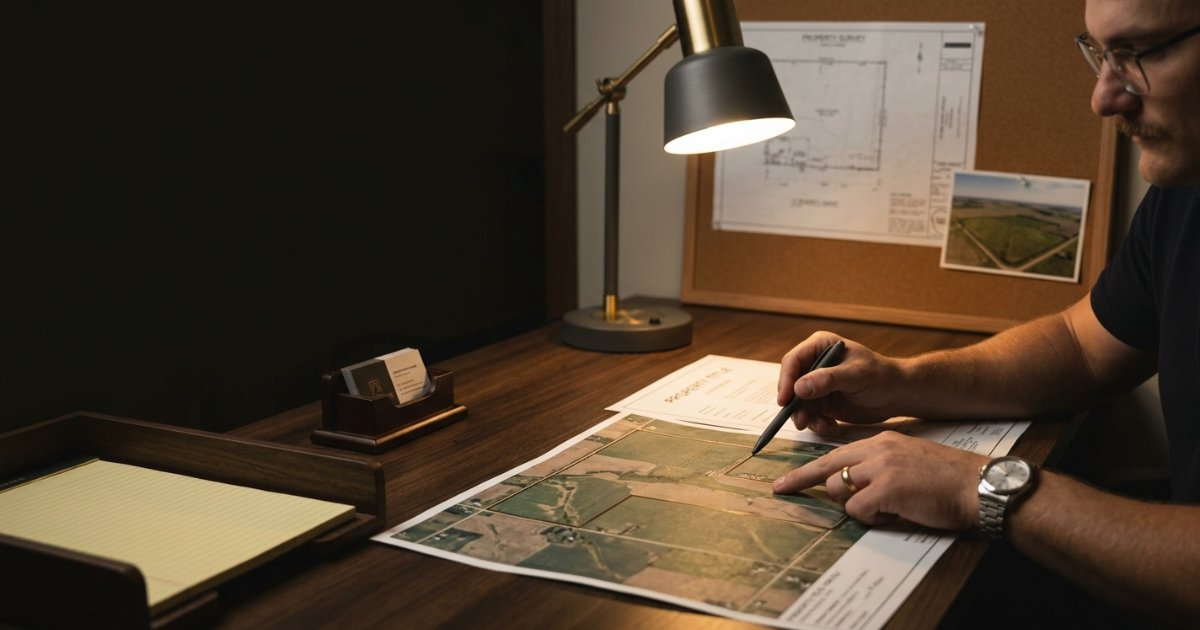
This month I added a license to my name that most Edmonton realtors never bother getting. Not commercial, not property management. Rural and agricultural. I picked that order on purpose, and the reasoning behind it says more about how I'm building this business than the license itself does.
I walked through what the license actually unlocks in this week's video, "I Just Got a License Most Edmonton Realtors Don't Have." This post is the part that didn't fit in eight minutes: the actual decision behind going rural before commercial, what Alberta's licensing structure forces you to confront that most U.S. agents never do, and why the same rule applies whether you're building a real estate specialty or a content brand.
- Alberta genuinely requires a separate license per practice sector, residential, rural, commercial, and property management, each with its own pre-licensing education (Real Estate Council of Alberta, 2026).
- Alberta's cultivated farmland values rose 11.4% province-wide in 2025, with irrigated land up 11.3% (Farm Credit Canada, 2026).
- 60.5% of Canadian farm operators are 55 or older and just 8.6% are under 40, a gap that points toward a coming wave of farm transitions (Statistics Canada, 2021 Census of Agriculture).
- My sequencing rule: earn a credential once you already understand the fundamentals underneath it, never before. Rural came before commercial, not instead of it.
What Does Adding a License Sector Actually Require in Alberta?
Adding rural to my license meant completing an entire separate pre-licensing course and passing a separate exam, not just checking a box. RECA splits the industry into four sectors, residential, rural, commercial, and property management, and a licensee has to complete the required education for every sector they want to practice in before they're allowed to trade in it.
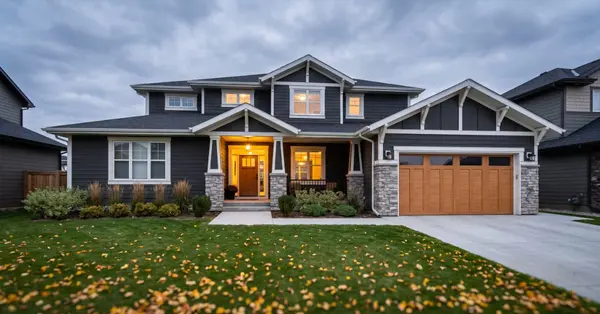
I already understood country residential well before I started: acreages, outbuildings, septic systems, the whole five-to-ten-acre lifestyle-purchase category. None of that required an agricultural license on its own. Getting licensed for agricultural land meant getting comfortable with a completely different layer of due diligence, crop history, water rights, sometimes mineral considerations, where how a property's actually been operated matters just as much as the acreage number on the listing.

Why I Didn't Go Straight to Commercial
I picked rural and agricultural first because it was the smaller jump from what I already knew, and commercial is a bigger one I'm not ready to rush. Country residential and agricultural share enough DNA, acreage, outbuildings, land use, that going from one to the other was a deepening of skills I already had, not a cold start into something completely unfamiliar.
This isn't about removing a bottleneck. It's about sequencing growth the same way I'd sequence anything else in this business: get real depth at one level before you add the next one on top of it. Get your footing in country residential first, then go deeper into agricultural once you actually know what you're looking at. Commercial is the next rung, and it'll get the same treatment.
Here's something most "pick your real estate niche" advice gets wrong, because most of it is written for the U.S. market, where a license is a single credential and specialization is a matter of marketing, not paperwork. Alberta doesn't work that way. RECA makes you prove competency sector by sector before you're allowed to touch a transaction in it. That's a slower path, but it's also a built-in forcing function: you can't talk your way into an agricultural listing here the way you might stretch into a "luxury specialist" label somewhere with no second exam behind it.
What Alberta's Farmland Numbers Told Me About the Timing
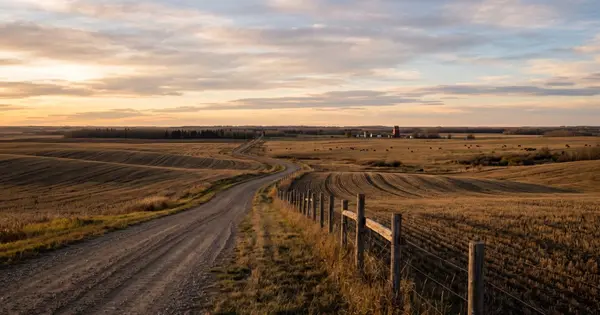
Alberta's cultivated farmland values rose 11.4% province-wide in 2025, the second-strongest gain of any province behind Manitoba's 12.2%, with irrigated land up 11.3% (Farm Credit Canada, 2026). Pastureland moved at a completely different pace, up just 3.5%, with the strongest gains concentrated in the Northern and Peace regions.
That spread is the whole reason this world feels so different from residential. In the north, cultivated land averaged roughly $5,200 an acre in 2025 while pastureland in that same region sat closer to $2,200 an acre (Farm Credit Canada, 2026). In residential, a bungalow and a two-storey on the same street might differ by a hundred grand. Out here, soil classification and whether the land is irrigated, cultivated, or grazed can more than double the value per acre.
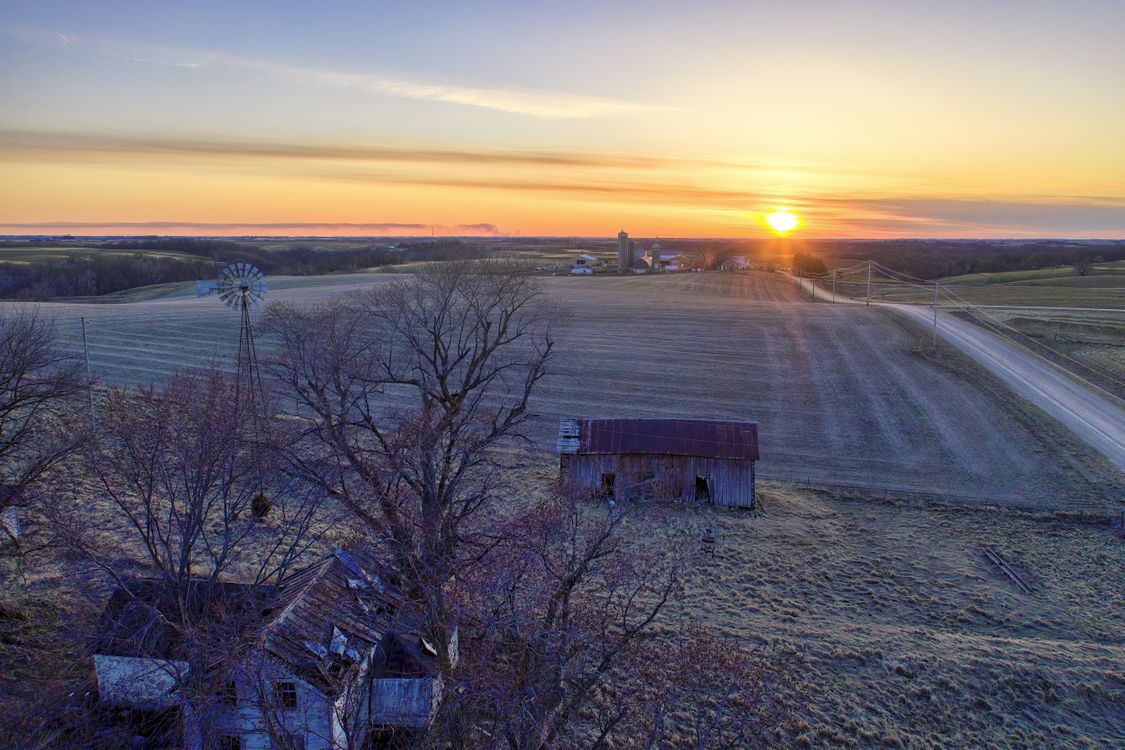
There's also a demand story behind these numbers that has nothing to do with commodity prices. Canada's farm operators are aging out faster than they're being replaced. The mean operator age hit 56.0 in 2021, up from 55.0 in 2016, and 60.5% of operators are now 55 or older compared to 54.5% five years earlier (Statistics Canada, 2021 Census of Agriculture). Only 8.6% of operators are under 40.
Who This License Actually Serves
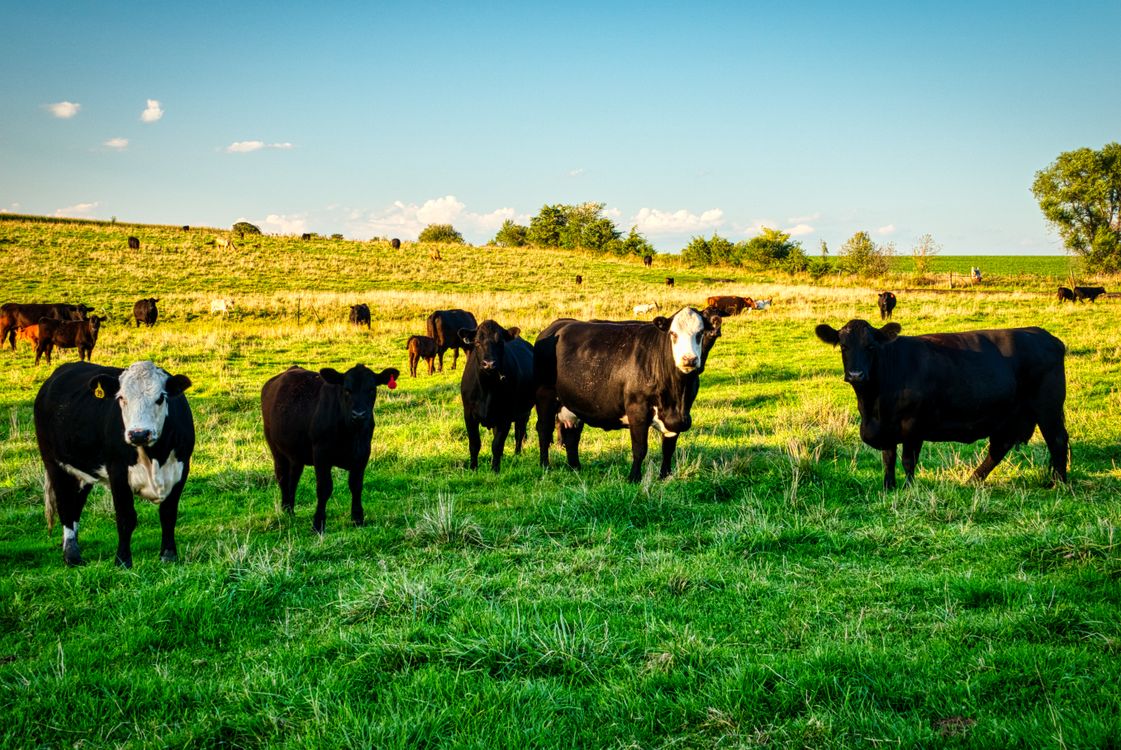
This license serves three distinct kinds of clients I couldn't fully help before: farm families ready to retire or downsize, younger operators expanding a cattle or grain operation, and city buyers who want a hobby property but don't yet understand what an actual agricultural purchase involves. It's a wider range of conversations than I expected going in.
- The retiring farm family. They need someone who understands what their operation is worth beyond the acreage number: the equipment, the yard site, whether there's a lease in place with a neighbouring operation.
- The expanding operation. For a younger family growing a cattle or grain operation, soil classification and access to water genuinely determine whether a parcel makes sense at all.
- The hobby-acreage buyer. Someone from the city who wants space and maybe a few animals, not a working farm, needs someone honest about the gap between what they're picturing and what an actual agricultural purchase involves.
The Credential Ladder Philosophy: Why I Won't Skip Steps
My rule is simple: earn the credential once you already understand the fundamentals underneath it, never before. Country residential experience came before agricultural licensing. Agricultural licensing comes before commercial. Skipping a rung might save a few months on paper, but it means showing up to a client conversation without the depth to actually earn their trust.
This is the same logic I'd tell any agent building a brand through content, because the two ladders run in parallel. Don't launch a course before you've actually got the results to teach from. Don't chase a luxury audience before you've closed enough deals to speak to it honestly. Prove the model at the level you're on, then add the next rung. It's slower content advice than most of what circulates in this industry, and it's also the only version of it I've seen actually hold up.
What's Next, and Why I'm in No Rush to Get There
Commercial licensing is the next rung on this ladder, and I'm not putting a hard date on it. The entire point of this approach is not letting a timeline force a rung I haven't actually earned yet. Rural and agricultural gave me real confidence the next step will go the same way, because it proved the model: get the credential once you understand the fundamentals underneath it, then build from there.
I'm not going to be doing a huge volume of large land transactions off this license alone. The knowledge itself is an asset even on the acreage deals I already do around Edmonton, and it deepens how I understand and appreciate the value of real estate across this whole province, not just the city I work in most.
Behind the Brand
Want to See the Next Rung When It Happens?
I post a new Edmonton real estate video every Friday, and the career decisions behind them are usually the most useful part for other agents watching. Subscribe if you want to see how this ladder actually gets built, one rung at a time.
Subscribe on YouTubeFrequently Asked Questions
Does Alberta require a separate real estate license for rural and agricultural properties?
Yes. Alberta's Real Estate Council splits the industry into four sectors, residential, rural, commercial, and property management, and a licensee must complete the required pre-licensing education for each sector before trading in it (Real Estate Council of Alberta, 2026). That's different from most U.S. states, where one license covers every specialty.
What's the difference between country residential and agricultural real estate in Alberta?
Country residential covers acreages, typically five to ten acres with a house and shop, which is a lifestyle purchase more than a working operation. Agricultural real estate covers hundreds of acres of active land use, where crop history, water rights, and soil classification determine value as much as the acreage number does.
Why are more Alberta farmland transactions expected in the next few years?
Canada's farm operators are aging faster than they're being replaced. The mean operator age hit 56.0 in 2021 and 60.5% of operators are 55 or older, while just 8.6% are under 40 (Statistics Canada, 2021 Census of Agriculture). Only 12.0% of farms have a formal succession plan, which points toward a wave of land transitions ahead.
Should real estate agents specialize in one niche or stay generalists?
It depends on whether the market forces the decision. In most U.S. states, specialization is purely a marketing choice. In Alberta, RECA's sector-based licensing makes it a credentialing decision too, so the better question isn't whether to specialize, it's which order to build the credentials in.
If you're an agent thinking about adding a credential, my honest advice is to check whether you've actually earned the rung you're standing on before you reach for the next one. The license is the easy part. Showing up with real depth once you have it is the part that actually earns a client's trust.
Categories
Recent Posts